
How to Calm a Nervous Dog at Home Naturally
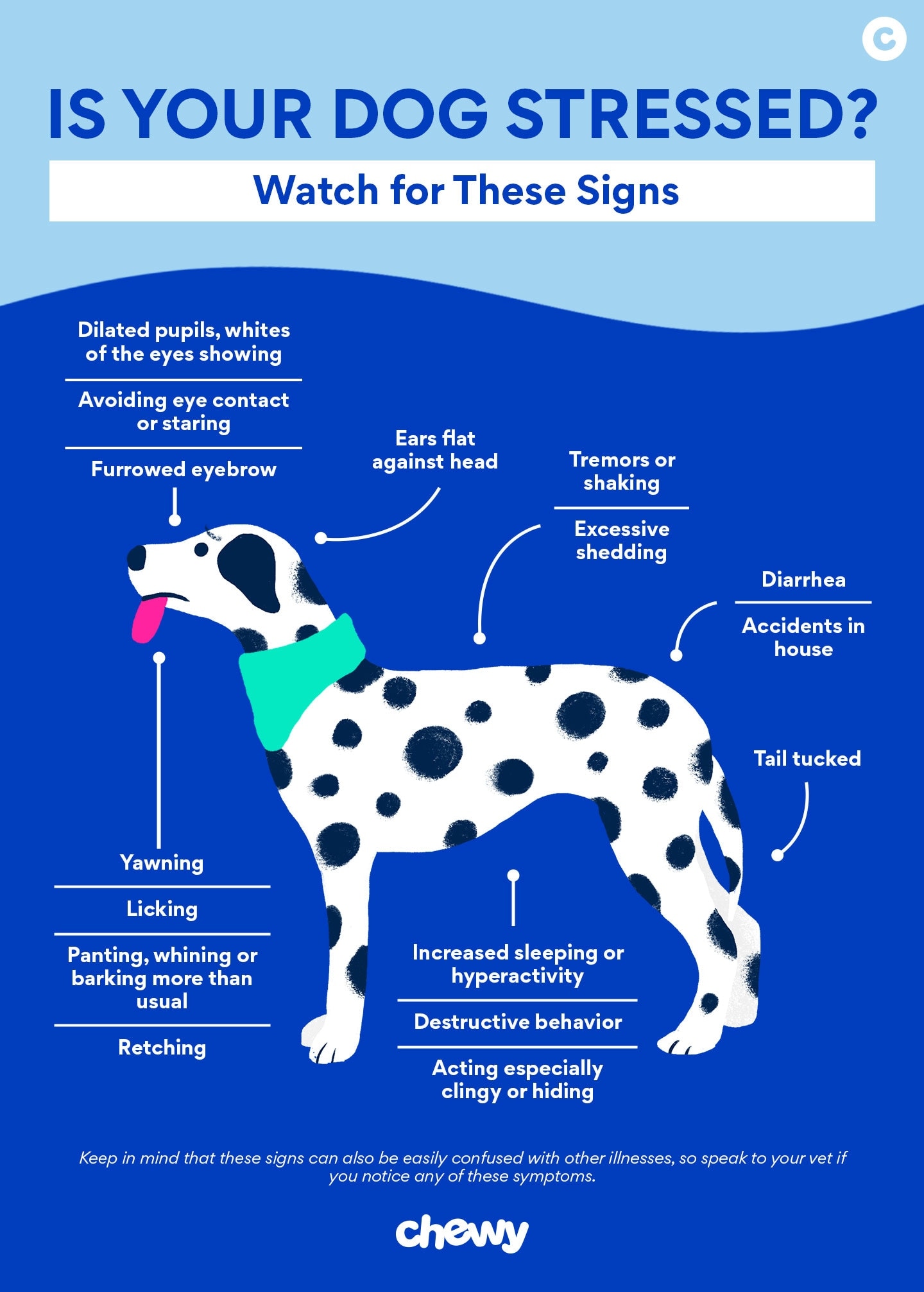
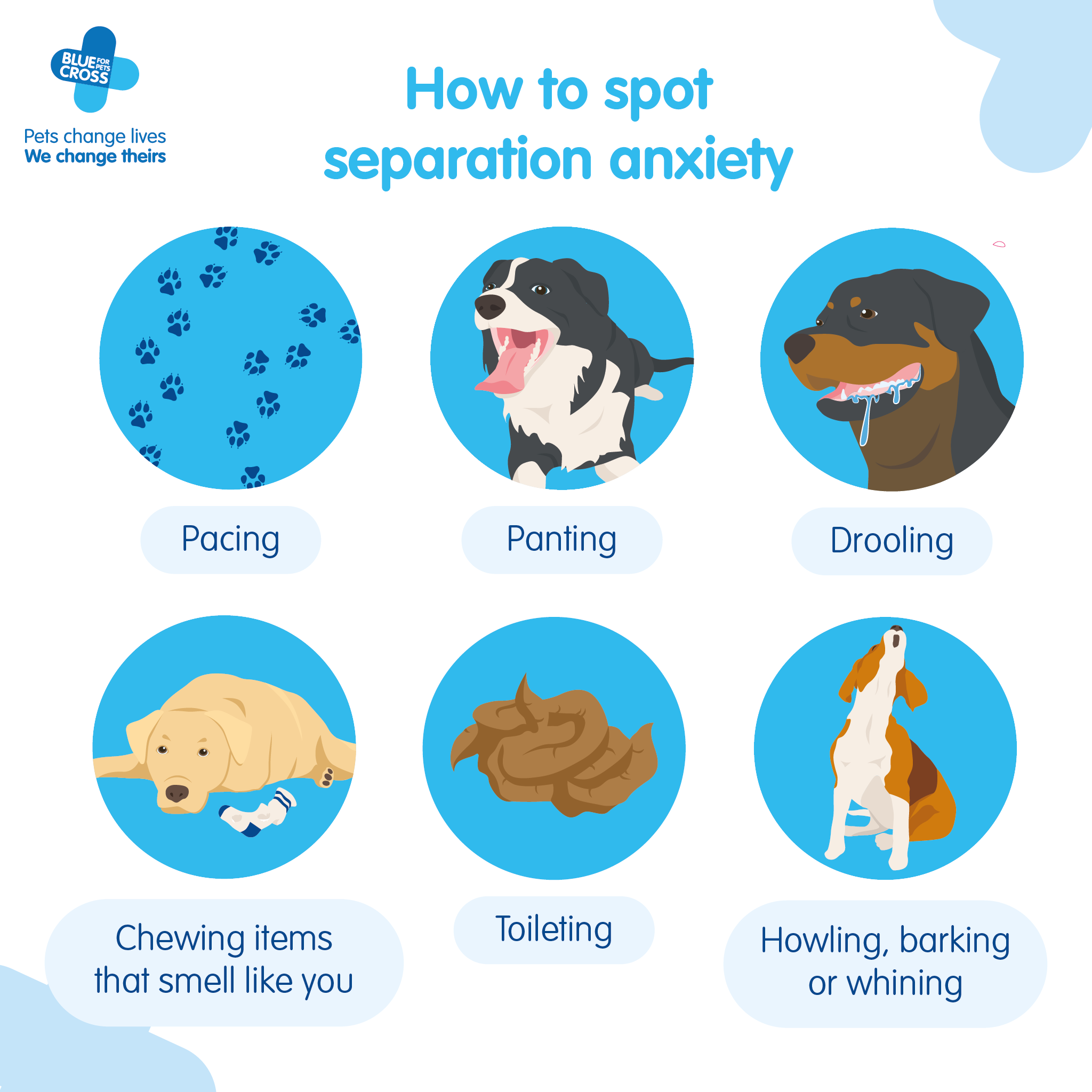
Living with a nervous dog can be emotionally draining for both you and your pet. You may notice pacing, trembling, excessive barking, hiding, or destructive behavior, all signs that your dog is struggling to feel safe and relaxed. The good news is that learning how to calm a nervous dog does not require harsh training methods or expensive interventions. With patience, consistency, and natural strategies, you can create a home environment that supports calmness, confidence, and emotional balance.
This guide explores gentle, effective ways to calm a nervous dog at home naturally, focusing on daily habits that build trust and reduce anxiety over time.
Understanding Why Dogs Feel Nervous
Before you can truly help your dog relax, it’s important to understand what nervousness looks like and where it comes from. Dogs experience anxiety for many of the same reasons humans do: fear, uncertainty, lack of control, and overstimulation. Some dogs are genetically predisposed to nervousness, while others develop it due to past experiences, changes in their environment, or inconsistent routines.
A nervous dog may not always show obvious fear. Some dogs become clingy and restless, while others withdraw and avoid interaction. Understanding your dog’s unique signals allows you to respond calmly instead of reacting with frustration, which can unintentionally increase anxiety.
Common Triggers for Nervous Dogs
Many dogs become nervous due to loud noises, unfamiliar people, sudden schedule changes, or being left alone for long periods. Even subtle factors like rearranged furniture or changes in household energy can affect sensitive dogs. Recognizing these triggers helps you anticipate stress and take proactive steps to keep your dog calm.
Creating a Calm and Predictable Home Environment
One of the most powerful ways to calm a nervous dog naturally is by creating predictability. Dogs thrive when they know what to expect, and a consistent environment provides emotional security.
The Importance of Routine
Establishing a daily routine helps regulate your dog’s nervous system. Feeding, walking, playtime, and rest should happen around the same times each day. When your dog knows what’s coming next, their need to stay on high alert decreases. Routine turns the home into a safe, predictable space instead of an unpredictable one.
Even small rituals, such as greeting your dog calmly every morning or following the same bedtime routine, reinforce a sense of stability that supports relaxation.
Reducing Noise and Overstimulation
Excessive noise and activity can overwhelm a nervous dog. While complete silence is not necessary, being mindful of loud televisions, sudden sounds, or chaotic movement helps reduce stress. Soft background noise, such as calm music or a fan, can mask sudden sounds that might otherwise trigger anxiety.
Creating quiet periods during the day allows your dog’s nervous system to reset and prevents emotional overload.
How Comfort and Safe Spaces Help Calm Anxiety
Dogs need a place where they can retreat when they feel overwhelmed. A designated comfort area allows your dog to relax without fear of interruption.
Creating a Safe Resting Area
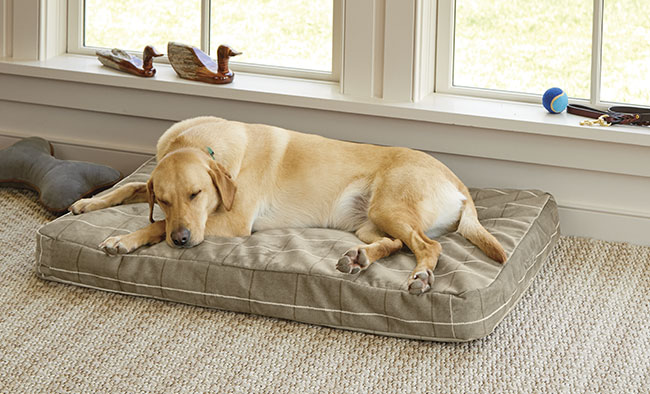
A calm dog is often a well-rested dog. Choose a quiet corner of your home where your dog can sleep undisturbed. This space should feel cozy, enclosed, and secure. A comfortable bed, familiar scents, and minimal foot traffic help your dog associate this area with safety.
When your dog retreats to this space, respect their need for quiet time. Allowing them to self-soothe builds confidence and emotional resilience.
Why Sleep Quality Matters for Nervous Dogs
Poor sleep increases anxiety, irritability, and reactivity. Nervous dogs often struggle to rest deeply, making them more sensitive during the day. Improving sleep quality through comfort, routine, and reduced stimulation has a noticeable calming effect over time.
Using Daily Movement to Calm a Nervous Dog
Physical movement is one of the most effective natural tools for reducing anxiety. Exercise helps regulate stress hormones and releases pent-up nervous energy.
Gentle Exercise Over Intense Activity
While exercise is important, overly intense activity can sometimes overstimulate nervous dogs. Instead of long, chaotic sessions, focus on steady, predictable movement such as calm walks or controlled play. Allow your dog to sniff and explore during walks, as scent exploration is mentally calming and confidence-building.
Consistency matters more than intensity. Daily movement at a comfortable pace teaches your dog that the world is manageable and safe.
Mental Stimulation Through Calm Engagement
Mental stimulation is just as important as physical exercise when learning how to calm a nervous dog. Simple activities like slow training sessions, food puzzles, or scent games engage your dog’s brain in a focused, rewarding way. Mental engagement redirects anxious energy and builds a sense of accomplishment.
The Role of Emotional Connection in Calming Nervous Dogs
Dogs are incredibly sensitive to human emotions. Your energy, tone, and body language play a direct role in how your dog feels.
Staying Calm to Teach Calm
When your dog becomes anxious, your reaction matters. Speaking softly, moving slowly, and maintaining relaxed body language signals safety. Overreacting or constantly reassuring in a tense way can reinforce nervous behavior instead of calming it.
Calm leadership does not mean ignoring your dog’s fear. It means acknowledging it while showing through your behavior that there is no immediate danger.
Building Trust Through Daily Interaction
Short moments of positive connection throughout the day strengthen trust. Gentle petting, calm conversation, and quiet companionship help your dog feel emotionally supported. Trust reduces the need for hypervigilance and allows your dog to relax more easily.
How Nutrition and Hydration Affect Nervousness
Diet plays a subtle but important role in emotional regulation. Inconsistent feeding schedules, poor-quality food, or dehydration can contribute to irritability and restlessness.
Feeding your dog at consistent times with balanced nutrition helps stabilize energy levels. Calm feeding environments also reduce stress around meals. Fresh water should always be available, as dehydration can increase physical discomfort and anxiety.
Avoid frequent changes in food, as digestive upset can worsen nervous behavior and make your dog feel unsettled.
Reducing Anxiety Through Familiar Scents and Objects
Dogs rely heavily on scent for emotional comfort. Familiar smells can instantly make a nervous dog feel safer.
Leaving an item with your scent near your dog’s resting area can provide reassurance when you are not present. Familiar toys, blankets, or bedding create continuity in your dog’s environment and reduce stress during changes or transitions.
Consistency in objects and smells helps reinforce a sense of home and belonging.
Understanding How Long It Takes to See Results
Learning how to calm a nervous dog naturally is a process, not a quick fix. Progress often happens gradually, and small improvements matter. You may notice your dog resting more easily, reacting less intensely, or recovering faster from stressful moments.
Consistency is key. Nervous systems do not reset overnight, but steady routines and calm interactions lead to lasting emotional change.
When Setbacks Happen
Setbacks are normal, especially during changes in environment, schedule, or routine. A single stressful event does not erase progress. When setbacks occur, return to the basics: calm routines, comfort, and patience.
Avoid punishment for nervous behaviors, as this increases fear and confusion. Instead, focus on creating conditions that support calmness.
Supporting Long-Term Emotional Well-Being
Calming a nervous dog is about building a lifestyle that supports emotional health every day. When your dog feels safe, understood, and supported, nervous behaviors naturally decrease.
By focusing on routine, comfort, gentle movement, and emotional connection, you address anxiety at its root instead of masking symptoms. These natural strategies improve not only behavior but also the overall quality of life for your dog.
Final Thoughts on How to Calm a Nervous Dog Naturally
Understanding how to calm a nervous dog at home naturally empowers you to become a source of safety and stability for your pet. You don’t need perfection or expensive solutions. What your dog needs most is consistency, patience, and a calm environment that allows them to relax at their own pace.
Small daily habits create lasting change. With time, your nervous dog can learn that home is a place of comfort, trust, and peace.